
Choosing the Right Seal for Your Application
Published 9 June 2025
In any industrial application, selecting the right sealing solution is a critical decision that can significantly impact system performance, safety and longevity. Whether you're operating in aerospace, automotive, oil and gas, food processing, or any other sector, the correct choice of seal can help to reduce downtime and maintenance costs, as well as being vital for safety.
With so many types of seals, materials, designs, and specifications available, how do you choose the right seal for your application?
Let’s look at the key factors to consider and how to make the best selection.
Understand the Operating Environment
To choose the right seal for an application, understanding the operating environment is crucial, as every seal must be tailored to the specific conditions it will face. This includes:
- Speed: Reciprocating and/or rotary
- Temperature: High or low temperatures can degrade certain elastomers or cause seal shrinkage or hardening.
- Application/Environmental Factors: For example, moisture, UV exposure and ozone.
- Media (Fluids or Gases): Consider chemical compatibility between the seal material and the fluids or gases being sealed. Some materials deteriorate quickly in aggressive chemicals, while others are specially formulated for fuel, acids, or steam.
- Pressure: Seals used in high-pressure applications (e.g., hydraulics or oilfield equipment) require materials and designs that resist extrusion and maintain integrity.
- Surface: Consider how the surface finish of the mating hardware affects friction control and abrasion resistance.
If you need help in identifying any factors, just ask.
Know Your Application’s Dynamic Requirements
Seals behave differently in static vs. dynamic conditions due to the presence or absence of relative movement between the surfaces they are sealing.
- Static Seals: (e.g. o-rings, gaskets) Typically used between two stationary surfaces; they generally experience less wear and tear.
- Dynamic Seals: Used between moving parts, such as in rotating shafts or reciprocating pistons; they require advanced materials and profiles to minimise friction and wear. Dynamic applications will require wear-resistant materials like PTFE or polyurethane and you will also need to consider surface finish and lubrication.
Choose the Right Seal Material
There are a lot of choices when it comes to seal materials, and they vary widely in durability, elasticity, chemical resistance, and cost.
Some common sealing materials include:
- Nitrile (NBR): Great for general-purpose sealing with good oil resistance.
- Viton® (FKM): Excellent chemical and temperature resistance.
- EPDM: Suitable for water, steam, and outdoor exposure.
- Silicone: Ideal for extreme temperature ranges but not suitable for many petroleum oils.
- PTFE: Low friction, excellent chemical resistance, but limited elasticity.
- Polyurethane: Excellent resistance to abrasion, good tensile strength and ability to maintain flexibility even in low temperatures.
However, just because a material is commonly used, it doesn’t mean it is suitable for all needs. For each application, the material properties must be matched to the specific application needs.
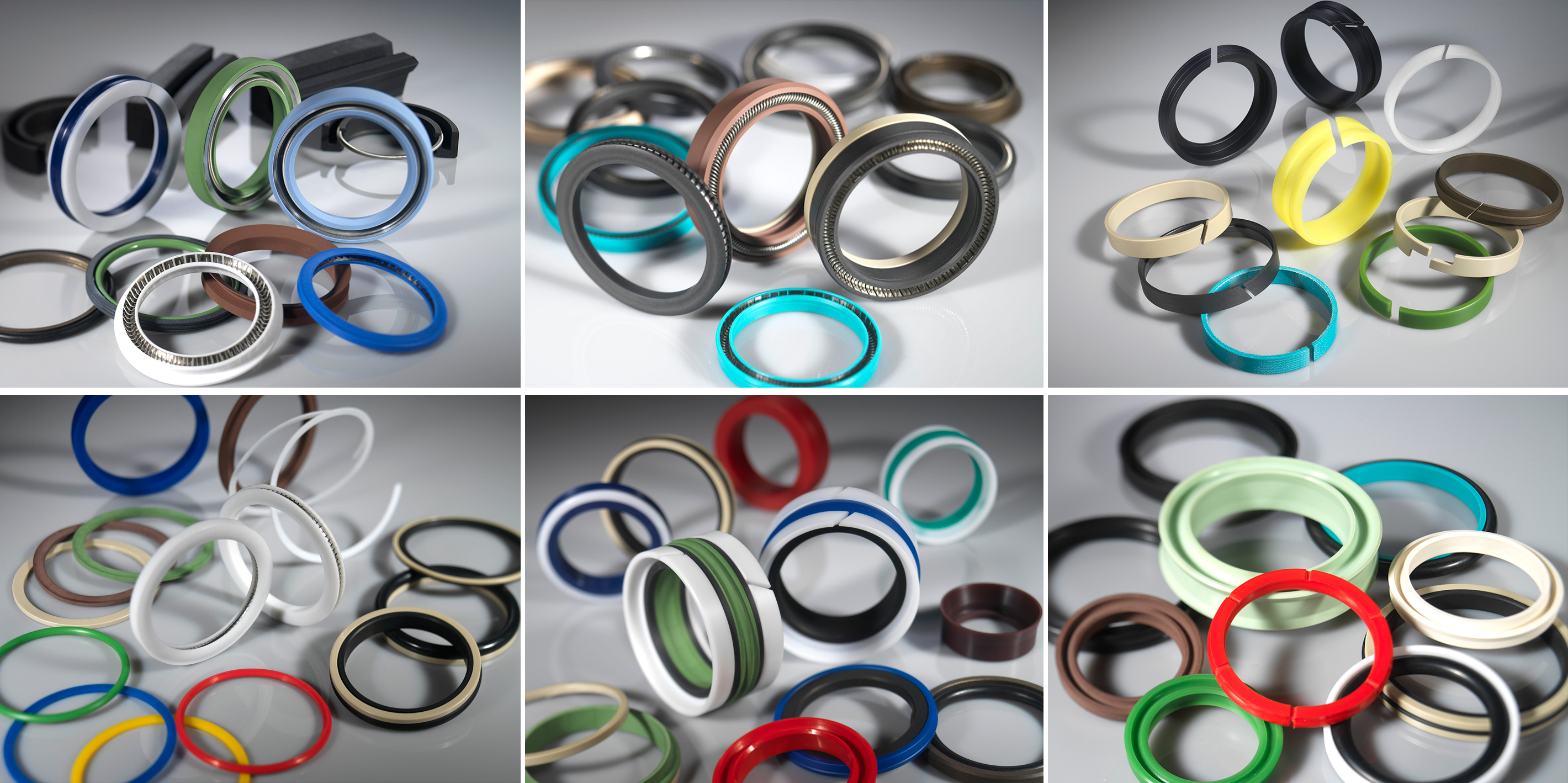
Just to show how vast the choice is, we keep over 240 different engineered material grades in stock. It can be difficult to select the best one, so it is worth taking advice from specialists in the sealing industry.
Think about Installation and Maintenance
Ease of installation and access for maintenance are often overlooked but they are critical when choosing the right seal.
For example, complex shapes or tight spaces may require split seals or custom designs. And for applications that require frequent maintenance, reusable or easily replaceable seals are a good choice to reduce downtime.
Again, this is something that you can discuss with your seal manufacturer/supplier to look at design enhancements or custom solutions that simplify maintenance.
Regulatory and Industry Standards
In sectors like food, pharmaceuticals, or aerospace, seals must comply with stringent industry standards (e.g., FDA, NSF, ISO). Make sure that documentation and certification is in place for all compliant materials and designs, and work only with qualified suppliers.
In summary…
As we have shown, choosing the right seal isn't a one-size-fits-all decision. It involves understanding your application's technical demands, selecting the right material and design, and ensuring compatibility with regulatory standards.
It is worth asking for advice from technical experts at a sealing solutions company to ensure you make the right choice.
If you are looking for this kind of advice, we specialise in helping customers identify optimal sealing solutions tailored to their specific needs - ensuring performance, reliability, and peace of mind.
Feel free to contact us for advice and support.