
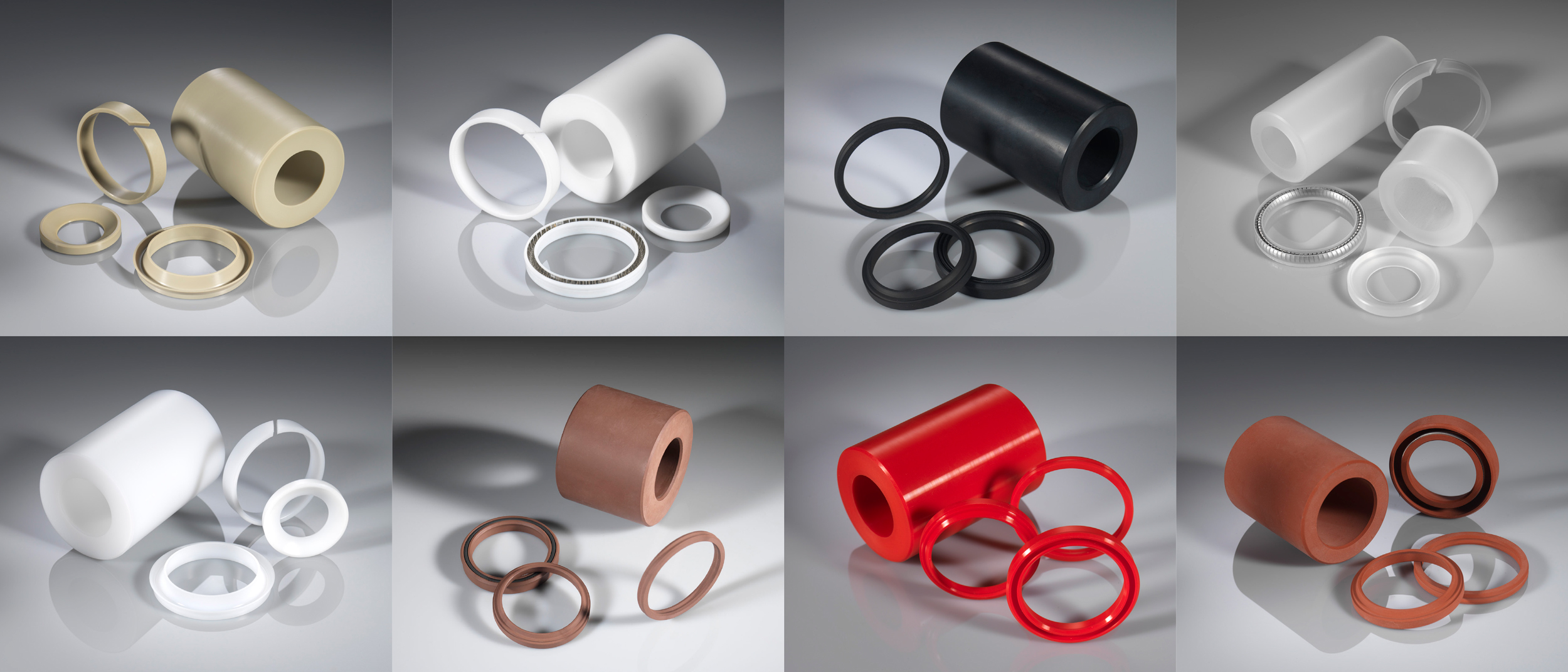
How Can Material Selection Impact Seal Compatibility with Chemicals?
Published 1 September 2025
Seals are constantly challenged by exposure to various chemicals, from aggressive acids to complex process fluids. Choosing the wrong seal material can lead to swelling, cracking, softening or complete seal failure, which can result in costly downtime, safety risks and compromised product quality.Correct material selection is the foundation of seal performance and longevity. Understanding how different materials respond to chemical exposure is key to ensuring compatibility, reliability and operational efficiency.
Why Chemical Compatibility Matters
Chemical compatibility determines how well a seal material can resist degradation when in contact with specific substances. When the wrong material is used, chemical attack can cause:
- Swelling that affects fit and sealing performance
- Hardening or brittleness leading to cracks
- Loss of elasticity, making the seal ineffective
- Contamination of the process medium
Even small incompatibilities can escalate into major problems if seals are used continuously in challenging environments.
Common Seal Materials and Their Chemical Resistance
Nitrile Rubber (NBR) Good resistance to petroleum-based products, oils, fuels, and hydraulic fluids Fluorocarbon Rubber (FKM/Viton®) High-performance elastomer with exceptional chemical resistance; well-suited to applications involving oils, fuels, strong acids and solvents. Ethylene Propylene Diene Monomer (EPDM)
Outstanding resistance to hot water, steam, glycols, polar solvents, and mild acids and bases. Also performs well in outdoor environments due to its resistance to ozone and UV radiation. Polytetrafluoroethylene (PTFE) Exceptional resistance to nearly all chemicals, including oils, water and steam and has high-temperature stability.
Silicone Rubber (VMQ) Resistant to water, mild chemicals, ozone, and UV radiation. Good flexibility and temperature range.
Neoprene (Chloroprene Rubber) Good resistance to oils, chemicals and solvents. Aflas (TFE/P) Aflas excels in environments with steam, amines, caustics and sour gas. PEEK (Polyetheretherketone) A high-performance thermoplastic with excellent mechanical and thermal properties and good chemical resistance, especially to high temperatures, aggressive chemicals and water vapour.
Factors to Consider When Choosing Seal Materials
Material selection should always be based on the specific operating conditions:
- Chemical Type and Concentration – Some materials resist dilute acids but fail in concentrated forms.
- Temperature Range – High temperatures can accelerate chemical attack.
- Pressure Levels – Certain materials deform faster under high pressure.
- Dynamic vs. Static Application – Movement can stress materials differently when exposed to chemicals.
The Role of Testing and Consultation
Lab testing is invaluable for verifying seal performance in real-world chemical environments. By simulating your sealing application's environment and conditions, you can be confident in your choice of seal material and design and its long service lifetime.
Working with a sealing solutions provider ensures:
- Accurate chemical compatibility charts
- Custom material blends for unique applications
- Guidance on both primary and secondary sealing elements
- Testing in real-world applications
In summary…
Choosing the right seal material is critical when chemicals are involved. A mismatch between seal material and process fluid can quickly turn a reliable system into a costly maintenance headache. By evaluating chemical compatibility, environmental factors and application specifics, you can extend seal life, reduce downtime, and improve safety.Using our many years of experience, we can help customers match the right materials to their chemical environments. We have a Chemical Compatibility Guide here, or you can always contact our technical team to ensure your seals are the best choice for your application.