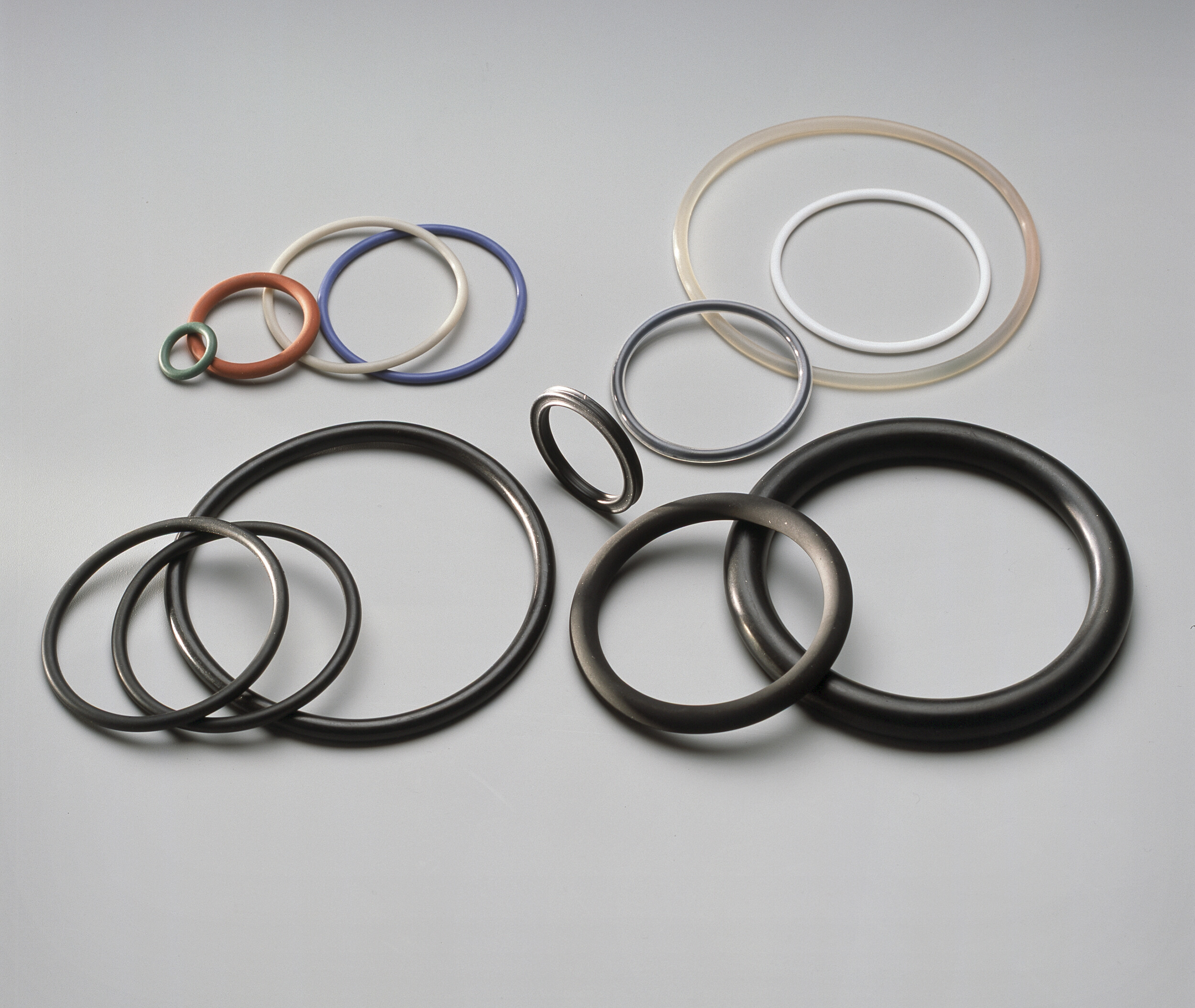
O-Ring Cord
O-ring cord is a critical component in many industrial and mechanical systems, providing a flexible and elastic seal that helps prevent leakage and contamination. It is available in various types, sizes, and materials, making it suitable for a wide range of applications.O-ring cord is commonly used in aerospace, automotive, medical, and industrial systems where sealing against high temperatures, pressure, and corrosive chemicals is necessary. It offers several advantages, including high chemical resistance, good compression set, and excellent temperature resistance.
When selecting O-ring cord, it is crucial to consider various factors such as the application, temperature range, chemical compatibility, and pressure requirements to ensure optimal performance. Proper maintenance and storage of O-ring cord can also help extend its longevity and prevent equipment failure. Manufacturers of O-ring cord typically use high-precision equipment and processes to ensure that the tolerances are within the specified range. They also perform quality checks and testing to verify the accuracy and consistency of the O-ring cords.
Overall, O-ring cords are an essential tool in many industries and applications, providing a reliable and efficient sealing solution that helps maintain the integrity and functionality of the system. With their versatility, durability, and numerous advantages, O-ring cord is an ideal choice for many sealing applications.
Request a Quote
Types of O-ring cord
O-ring cord is available in different types, each with unique properties that make them suitable for specific applications. Some of the most common types of O-ring cord are:
Silicone: Silicone O-ring cord is a popular choice for applications that require high-temperature resistance, such as in the food, beverage, and pharmaceutical industries. They also offer excellent resistance to UV light, ozone, and weathering.
Nitrile: Nitrile O-ring cord is commonly used in applications that involves contact with petroleum-based fluids, such as in the automotive and aerospace industries. It offers excellent resistance to oil and fuel, making them ideal for sealing applications in engines and fuel systems.
Fluorocarbon: Fluorocarbon O-ring cord is known for their excellent chemical resistance and high-temperature capabilities. It is commonly used in applications that involve exposure to harsh chemicals and extreme temperatures, such as in the chemical and oil and gas industries.
EPDM: EPDM O-ring cord is ideal for applications that require excellent resistance to weathering, ozone, and UV light. It is commonly used in outdoor applications, such as in construction and HVAC systems.
Neoprene: Neoprene O-ring cord offers excellent resistance to oil, fuel, and weathering, making it ideal for applications that involve exposure to harsh environments, such as in marine and industrial applications.
Choosing the right type of O-ring cord is essential to ensure optimal sealing performance and prevent equipment failure. Factors such as temperature range, chemical compatibility, and pressure requirements should be considered when selecting the type of O-ring cord to use.
Advantages of O-ring cords
O-ring cord has numerous advantages, including high chemical resistance, good compression set, and excellent temperature resistance. It also offer low permeability, making it ideal for use in sealing applications.
Versatility: O-ring cord is versatile and can be used in a wide range of applications across various industries. It is available in different types, sizes, and materials, making it suitable for different sealing applications.
Durability: O-ring cord is made from durable materials such as silicone, nitrile, fluorocarbon, and EPDM, which are resistant to wear and tear, high temperatures, and chemicals. This durability ensures that it lasts longer and are less prone to failure, reducing maintenance costs.
Resistant to Compression Set: O-ring cord is designed to resist compression set, meaning that it can return to its original shape after being compressed. This property ensures that it maintains a tight seal even when subjected to pressure changes, preventing leaks and contamination.
Chemical Resistance: O-ring cord is available in various materials with different levels of chemical resistance. This makes it suitable for use in applications that involve exposure to harsh chemicals, such as in the chemical and oil and gas industries.
Cost-effective: O-ring cord is cost-effective and offers a high return on investment. It is relatively inexpensive compared to other sealing solutions, making it a preferred choice in many industries.
Easy to Install: O-ring cord is easy to install and requires minimal tools and equipment. This reduces the installation time and costs, making it a convenient and practical sealing solution.
O-ring cord tolerances
O-ring cord tolerances typically vary depending on the type and size of the cord. Standard tolerances for O-ring cord are usually defined by industry standards, such as ISO, ASTM, or SAE. These standards specify the acceptable range of tolerances for different sizes and types of O-ring cord.
The tolerances for O-ring cord are critical as they can affect the performance and reliability of the seal. If the tolerances are too loose, the O-ring cord may not fit securely, leading to leakage and reduced sealing performance. On the other hand, if the tolerances are too tight, it may be difficult to install the O-ring cord, and it may be subject to damage or failure due to excessive stretching or compression.
Manufacturers of O-ring cord typically use high-precision equipment and processes to ensure that the tolerances are within the specified range. They also perform quality checks and testing to verify the accuracy and consistency of the O-ring cord.
When selecting O-ring cord, it is essential to consider the tolerances and ensure that they are suitable for the intended application. It is also crucial to follow the manufacturer's recommendations for installation and maintenance to ensure optimal performance and longevity of the O-ring cord.