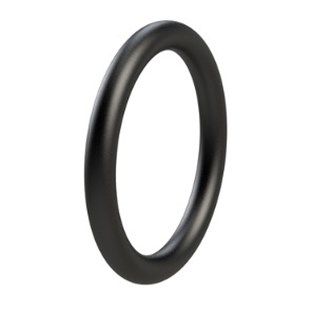
NBR O-Rings (Nitrile O-Rings)
NBR O-rings are one of the world's most commonly specified sealing solutions, trusted across industries for their excellent resistance to oils, fuels and hydraulic fluids. Also known as Nitrile O-rings or Buna-N O-rings, they provide a reliable and economical sealing option for a wide range of industrial applications.
At M Seals, we supply high-quality NBR sealing solutions to manufacturers, maintenance teams, OEMs and engineers throughout the UK. With a broad range of materials, hardness grades and sizes available, NBR O-rings remain the preferred choice for many general-purpose sealing applications.
What Is NBR?
NBR (Nitrile Butadiene Rubber) is a synthetic elastomer developed specifically to perform in environments exposed to petroleum-based oils, greases and fuels. Its excellent balance of chemical resistance, mechanical properties and affordability has made it a staple material within hydraulic, pneumatic and automotive systems.
NBR O-rings work by creating a tight seal between mating surfaces, helping to prevent leakage, maintain pressure and improve system reliability.
Benefits of NBR O-Rings
- Excellent oil and fuel resistance
- Good compatibility with many hydraulic fluids
- Strong abrasion and wear resistance
- Reliable compression set characteristics
- Cost-effective compared with specialist elastomers
- Suitable for static and dynamic sealing applications
- Available in a wide variety of sizes and hardness grades
- Widely used across industrial sectors
Common Industries and Applications
NBR O-rings are regularly specified for:
- Hydraulic cylinders and valves
- Pneumatic systems
- Automotive engines and fuel systems
- Agricultural machinery
- Industrial pumps
- Compressors
- General manufacturing equipment
Operating Temperature Range
Standard NBR compounds typically operate between:
-30°C to +100°C
Special formulations may be available where improved low-temperature flexibility or higher-temperature performance is required.
Chemical Compatibility
NBR is particularly well suited to applications involving:
- Mineral oils
- Petroleum-based fuels
- Hydraulic oils
- Lubricating greases
- Water
- Mild acids and alkalis
Alternative materials may be recommended where applications involve ozone, weathering, aggressive chemicals, aromatic hydrocarbons or elevated temperatures.
Frequently Asked Questions
What is an NBR O-ring?
NBR (Nitrile Butadiene Rubber) O-rings are versatile sealing components designed for applications involving oils, fuels, greases and hydraulic fluids. They are among the most widely used elastomer seals across industrial, automotive and hydraulic industries.
What temperature range can NBR O-rings withstand?
Standard NBR O-rings typically operate between -30°C and +100°C, although specialist compounds may offer enhanced temperature performance for specific applications.
What chemicals are NBR O-rings resistant to?
NBR O-rings offer excellent resistance to mineral oils, hydraulic oils, lubricating greases and many petroleum-based fuels. They also perform well in water and certain dilute acids and alkalis.
What are NBR O-rings commonly used for?
NBR O-rings are widely used in hydraulic systems, pneumatic equipment, automotive components, pumps, valves, fuel systems and general industrial machinery where reliable sealing against oils and fluids is required.
What is the difference between NBR and FKM O-rings?
NBR is a cost-effective material with excellent resistance to oils and fuels, making it ideal for general-purpose sealing. FKM offers superior chemical resistance and higher temperature capability, making it better suited to more demanding operating environments.
Should I choose NBR or EPDM O-rings?
NBR is typically recommended for applications involving oils, fuels and hydraulic fluids, whereas EPDM is better suited to water, steam, outdoor environments and applications requiring excellent weather and ozone resistance.