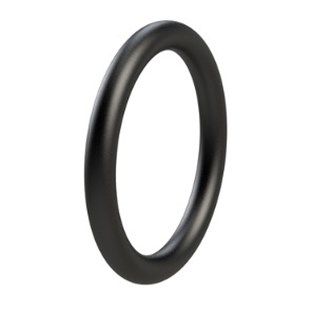
EPDM O-Rings
EPDM O-rings are versatile sealing solutions widely used in applications involving water, steam, outdoor environments and a broad range of chemicals. Renowned for their excellent resistance to weathering, ozone and UV exposure, EPDM remains a popular choice across utilities, food processing, HVAC, pharmaceutical manufacturing and general industrial sectors.
We supply a comprehensive range of EPDM sealing products to OEMs, maintenance engineers and manufacturers worldwide. Whether you're specifying seals for water systems, outdoor equipment or chemical processing applications, EPDM offers dependable performance and long service life in challenging environments.
What Is EPDM?
EPDM (Ethylene Propylene Diene Monomer) is a synthetic elastomer specifically developed for applications where resistance to water, steam, weathering and environmental ageing is essential. Unlike materials such as NBR and FKM, which are primarily selected for oil and fuel resistance, EPDM excels in outdoor and water-based applications.
EPDM O-rings create a reliable seal between mating surfaces, helping prevent leaks, maintain pressure and protect equipment from contamination.
Benefits of EPDM O-Rings
- Excellent resistance to hot and cold water
- Outstanding weathering and UV resistance
- Superior ozone resistance
- Good compatibility with many cleaning chemicals
- Suitable for outdoor environments
- Good low-temperature flexibility
- Long service life in demanding conditions
- Cost-effective sealing solution
Typical Industries and Applications
EPDM O-rings are commonly used in:
- Water treatment systems
- Food and beverage processing equipment
- HVAC systems
- Pharmaceutical manufacturing
- Outdoor equipment
- Pumps and valves
- Cleaning and sanitation systems
Temperature Performance
Standard EPDM compounds typically operate between:
-40°C to +150°C
This broad temperature range makes EPDM suitable for both cold outdoor environments and elevated-temperature water and steam applications.
Chemical Compatibility
EPDM performs particularly well in applications involving:
- Hot and cold water
- Steam
- Dilute acids
- Dilute alkalis
- Cleaning chemicals and detergents
- Brake fluids
- Ozone and UV exposure
Alternative materials may be recommended for applications involving oils, greases, fuels or hydrocarbons, where NBR or FKM are often more suitable.
Frequently Asked Questions
What is an EPDM O-ring?
EPDM O-rings are seals manufactured from Ethylene Propylene Diene Monomer rubber. They are commonly used in water, steam, outdoor and chemical applications due to their excellent resistance to weathering and environmental ageing.
What temperature range can EPDM O-rings withstand?
Standard EPDM O-rings typically operate between -40°C and +150°C, depending on the compound and application conditions.
What chemicals are EPDM O-rings resistant to?
EPDM provides excellent resistance to water, steam, dilute acids, dilute alkalis, detergents, cleaning chemicals and brake fluids.
What are EPDM O-rings commonly used for?
EPDM O-rings are widely used in water treatment equipment, HVAC systems, food processing machinery, pharmaceutical equipment and outdoor applications.
What is the difference between EPDM and NBR O-rings?
EPDM is typically preferred for water, steam and outdoor environments, while NBR is better suited to applications involving oils, fuels and hydraulic fluids.
Should I choose EPDM or FKM O-rings?
EPDM is often selected for water and weather-resistant applications, whereas FKM is preferred where high temperatures, fuels, oils and aggressive chemicals are present.