
10 Sealing Challenges in the Oil & Gas Sector and How to Solve Them
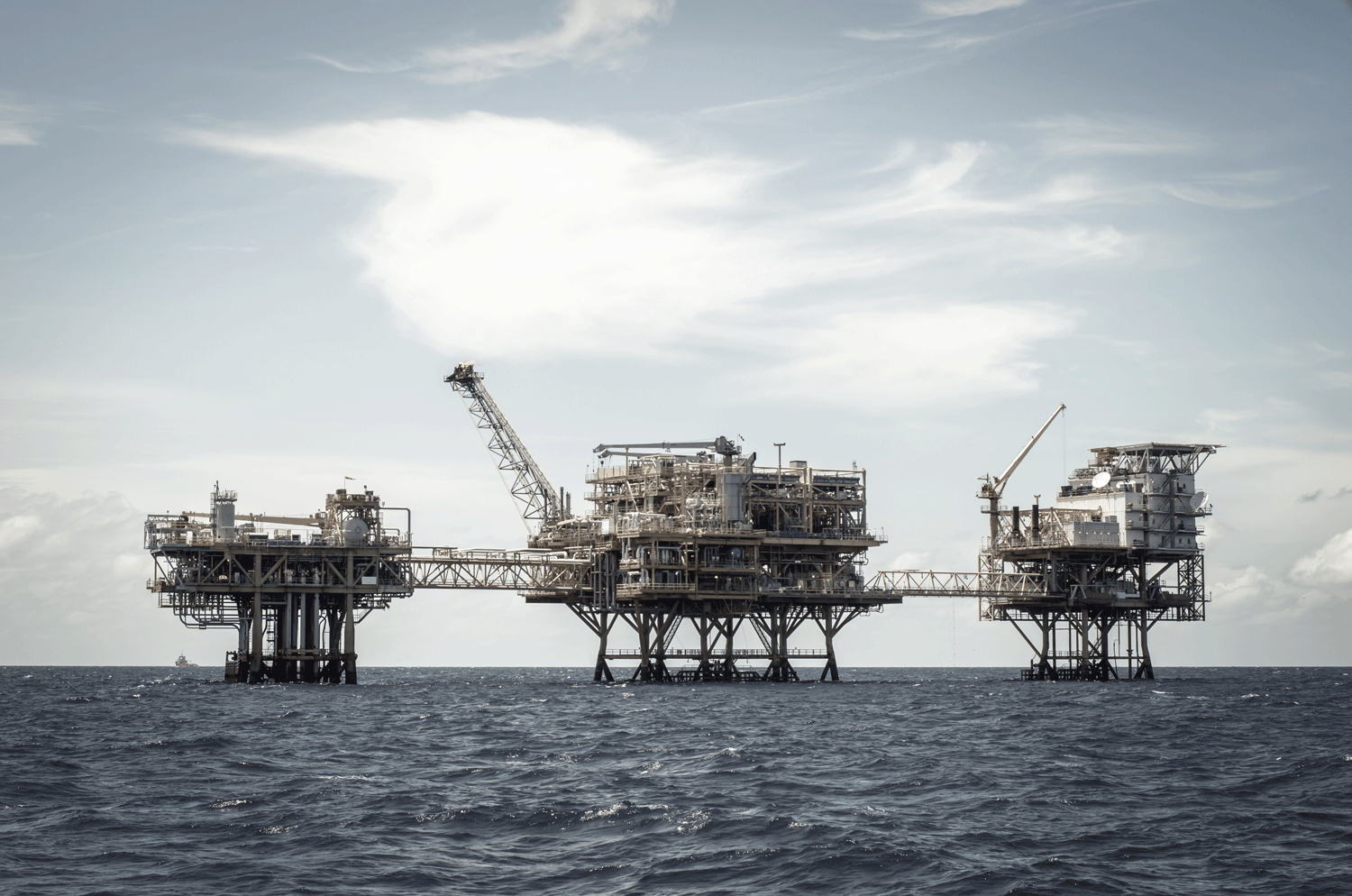
The oil and gas industry operates in some of the world's most demanding environments. From offshore platforms exposed to corrosive seawater to high-pressure refining processes and extreme temperature fluctuations, reliable sealing performance is critical for safety, efficiency and profitability.
A single seal failure can result in unplanned downtime, product loss, environmental incidents and costly repairs. That's why selecting the right sealing solution is about far more than simply choosing a gasket or O-ring; it's about understanding the application, operating conditions and long-term performance requirements.
Let’s look at ten of the most common sealing challenges faced across the oil and gas sector and how experienced sealing specialists help operators overcome them.
1. Extreme Operating Temperatures
Oil and gas applications often experience temperatures ranging from sub-zero Arctic conditions to process temperatures exceeding 400°C. Standard sealing materials can become brittle, harden, or lose elasticity under these conditions.
The Solution is to carefully assess the temperature profile of the application and specify materials engineered for thermal stability. Advanced elastomers, graphite-based seals, PTFE compounds, and metal seals are often selected to maintain performance across extreme temperature ranges.
The key is ensuring the seal material remains chemically stable and retains its sealing properties throughout its service life.
2. High Pressure Environments
Whether in wellheads, valves, pumps or pressure vessels, seals are routinely exposed to intense pressure loads. Inadequately designed seals may deform, extrude or fail catastrophically.
The Solution involves using pressure-resistant sealing designs, including anti-extrusion rings, reinforced gasket constructions and specialised sealing geometries. Finite element analysis (FEA) and application-specific testing can further validate performance before deployment.
Selecting the correct seal profile is often as important as choosing the material itself.
3. Chemical Compatibility Issues
Oil and gas operations involve exposure to crude oil, hydrocarbons, acids, solvents, treatment chemicals and aggressive gases. Chemical attack can cause swelling, cracking, hardening or rapid seal degradation.
The Solution is to perform detailed chemical compatibility assessments before recommending materials. Depending on the application, solutions may include FKM, FFKM, HNBR, PTFE, graphite, or engineered thermoplastics designed to withstand specific chemical environments.
Proper material selection significantly extends service life and reduces maintenance requirements.
4. Sour Service and H₂S Exposure
Hydrogen sulphide (H₂S) presents one of the most challenging environments in the industry. Exposure can accelerate material degradation and contribute to equipment failure.
The Solution involves specifying materials compliant with industry standards for sour service applications, including NORSOK and ISO requirements where applicable. Material formulations are selected specifically to resist chemical attack and maintain sealing integrity in H₂S-rich environments.
Testing and certification are often critical parts of the selection process.
5. Fugitive Emissions Compliance
Environmental regulations continue to tighten, placing greater emphasis on controlling emissions from valves, flanges and process equipment.
The Solution includes sealing technologies that are designed to minimise leakage while maintaining operational reliability. Specialist packing sets, engineered gaskets, and certified sealing systems help operators meet regulatory requirements and support environmental objectives.
Compliance-focused sealing strategies can also reduce product loss and improve operational efficiency.
6. Equipment Vibration and Dynamic Movement
Pumps, compressors, turbines, and rotating equipment generate vibration and movement that can compromise sealing performance over time.
The Solution is to evaluate dynamic operating conditions and recommend designs capable of accommodating movement without excessive wear. This may involve specialised mechanical seals, flexible gasket solutions, or custom-engineered sealing assemblies.
Addressing vibration at the design stage helps prevent premature seal failure and unplanned shutdowns.
7. Offshore Corrosion Challenges
Marine environments expose equipment to saltwater, humidity, and corrosive atmospheric conditions. These factors can accelerate degradation of both sealing materials and associated hardware.
The Solution is in material selection. Corrosion-resistant metals, advanced elastomers and engineered composites are commonly used to improve longevity and reliability. The best approach considers not only the seal itself but also the mating surfaces and surrounding components.
8. Ageing Infrastructure
Many oil and gas facilities continue to operate equipment that has been in service for decades. Original seal specifications may no longer be available, and worn components can create sealing challenges.
The Solution is to reverse-engineer legacy components and develop modern replacement solutions. Advanced materials often provide significantly improved performance compared to original designs. Site surveys and dimensional analysis can help identify opportunities for reliability improvements without major equipment modifications.
9. Minimising Downtime During Maintenance
Production interruptions are costly, making rapid maintenance and seal replacement a priority for operators.
A Solution involves standardising sealing inventories, improving component availability and identifying opportunities for longer service intervals. Custom kitting solutions and application-specific recommendations can streamline maintenance processes and reduce downtime. Proactive sealing strategies often deliver substantial operational savings.
10. Finding the Right Seal for Complex Applications
Many applications involve multiple challenges simultaneously, for example, high pressure, elevated temperatures, aggressive chemicals and dynamic movement.
The Solution
This is where specialist expertise delivers the greatest value. Rather than relying on catalogue selections alone, sealing engineers assess the complete operating environment to develop tailored solutions.
By combining application knowledge, material science expertise, and industry experience, sealing specialists can recommend products that improve reliability, enhance safety and reduce total ownership costs.
Why Expert Sealing Support Matters
In oil and gas operations, sealing performance directly impacts safety, environmental compliance, operational efficiency and profitability. The right seal can prevent costly failures, while the wrong one can lead to significant operational risks.
Working with an experienced sealing solutions provider ensures that every application receives the attention it deserves – from material selection and design optimisation to testing, installation support, and ongoing technical guidance.
As industry demands continue to evolve, expert sealing support remains one of the most effective ways to improve equipment reliability and maximise asset performance.